
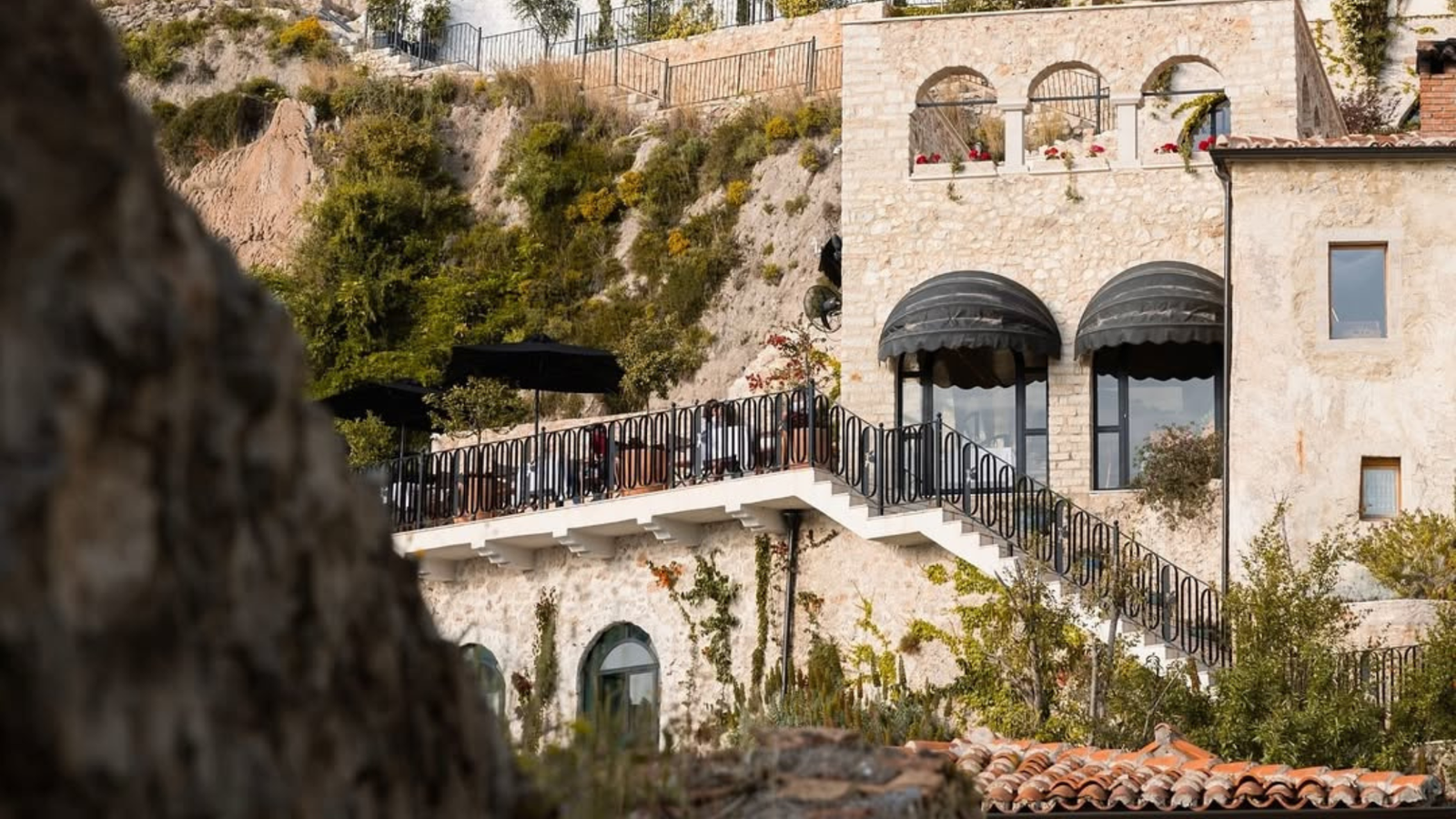
The popularity of boutique hotels is here to stay. It shows how people’s travel choices have changed. For years, accommodation was built around scale. Most places had big hotels, standard service, and layouts that were easy to guess. That model is still around, but it’s not what many travelers are looking for anymore.
Today, a shift in expectations is promoting the growth of boutique hotels. Travelers are taking more time not only to choose where to stay but also to make sure it is enjoyable. This change is visible across the world, including Europe lately, where there has been a noticeable rise of boutique hotels.
What is a Boutique Hotel?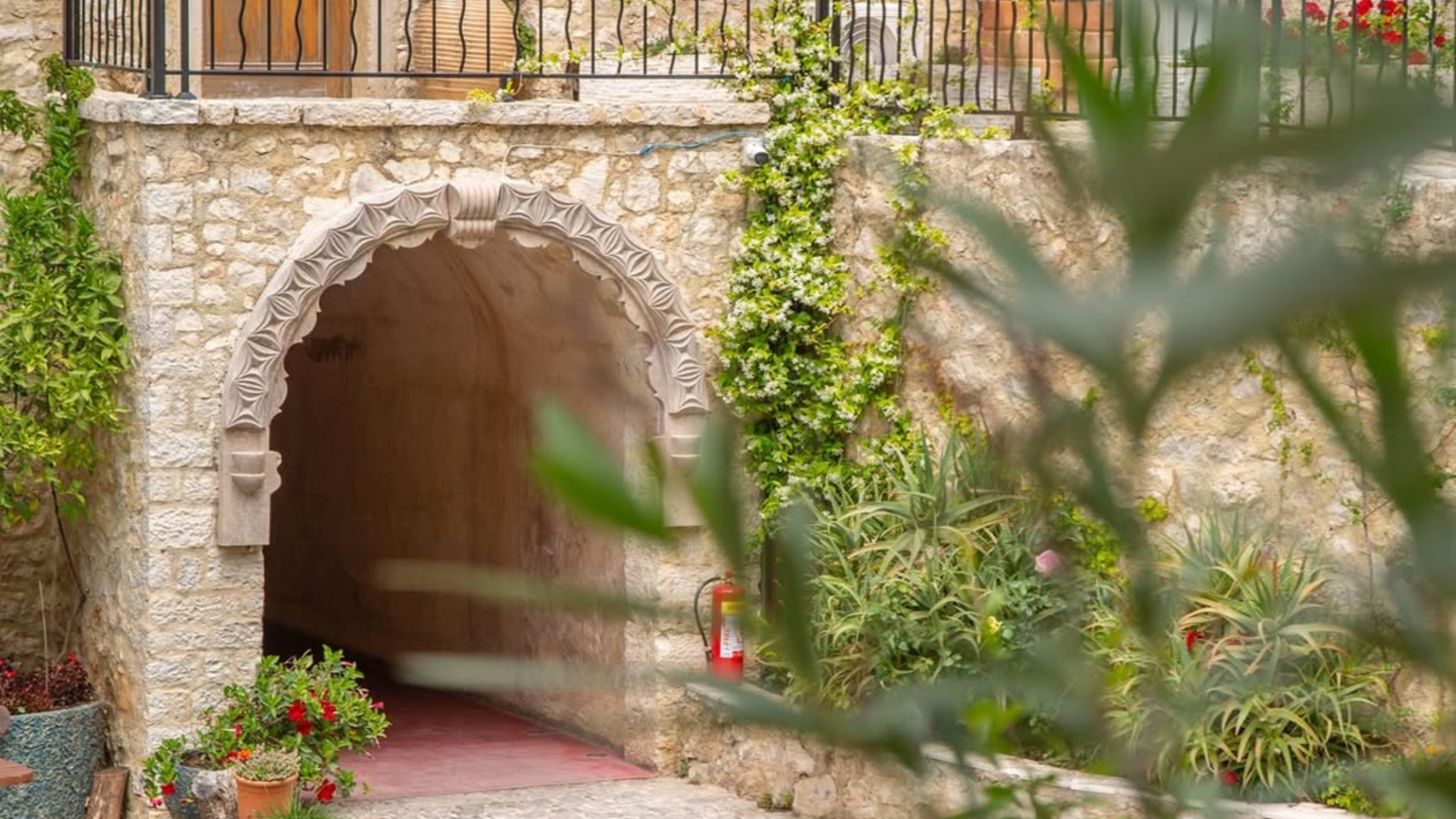
The rise of boutique hotels has also led to confusion around the term. Boutique hotels tend to be smaller in size, often including 10–100 rooms. This, however, is not the only trait that makes it boutique. The boutique hotel focuses on individuality, with carefully designed interiors that reflect a strong connection to the location through locally inspired decor, curated artwork, or characteristic architectural features.
Service is often very personal, and staff go out of their way to make sure that every guest feels special. Many luxury boutique hotels also prioritize offering fine dining, distinctive experiences, and a warm, inviting setting that makes you feel more at home than in a traditional hotel.
Why Travellers Love Boutique Hotels
Boutique hotels are rising, and it is closely related to what travelers have started to value more in recent years. The reasons are practical and become clear once you experience the difference.
Travelers choose boutique hotels because:
- They avoid crowded environments: In larger hotels, guests tend to move through the same spaces at the same time, especially in breakfast areas, lobbies, and shared facilities. Boutique hotels reduce this concentration. With fewer rooms, guest flow is naturally spread out, so even during high season, spaces remain quieter and easier to use without waiting or adjusting your timing.
- Spaces are quieter and easier to navigate: Noise levels remain stable, and shared areas do not shift suddenly from empty to busy. Rooms are often distributed across levels or connected through outdoor paths and terraces. This creates a predictable rhythm where guests can settle into the space quickly and understand how it functions without needing to adapt to constant change.
- There is a stronger sense of authenticity: Instead of isolating guests inside a uniform structure, boutique hotels reflect their surroundings. Materials, architecture, and positioning are tied to the location. In coastal destinations, the design often includes stone buildings, open views, and layouts that follow the natural slope.
- Attention to detail is more noticeable: Many boutique hotels operate on a smaller scale, with fewer rooms to manage, making it easier to maintain. This includes how spaces are arranged and how interactions are handled. These details are consistent throughout the stay and prevent the standardization seen in larger developments.
- Supporting local businesses: Boutique hotels are often independently owned or locally operated, which means revenue stays within the destination and supports nearby producers, services, and the local economy.
The Increase of Boutique Hotels in Europe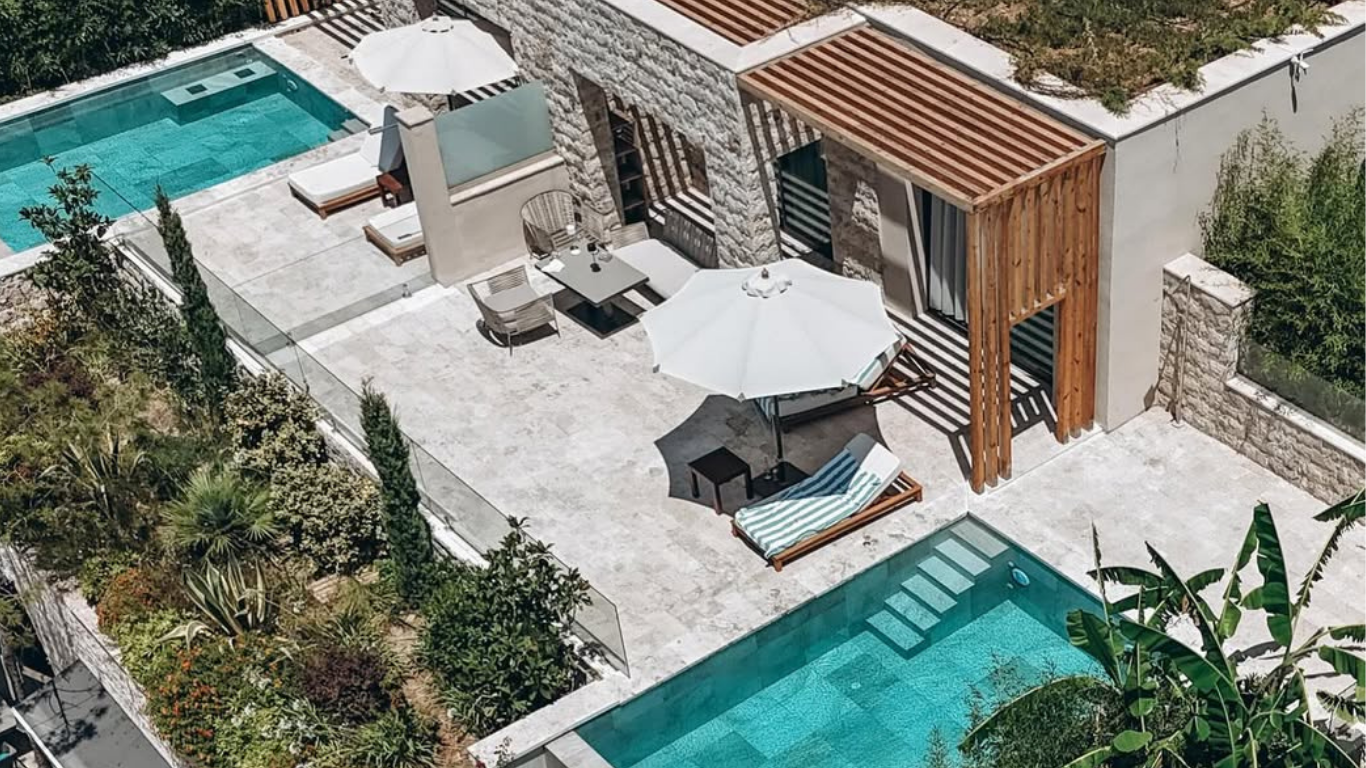
Many destinations are embracing their historic architecture, compact layouts, and strong local identity, which are difficult to replicate. Across Europe, especially, the conditions already support the rise of boutique hotels. Instead of replacing these structures, newer developments often adapt existing buildings, working within their original form. This technique allows boutique hotels to integrate into the environment rather than stand apart from it. As a result, the experience feels connected to the place rather than imposed on it.
At the same time, digital platforms have made these properties easier to find and access. Online travel agencies now allow travelers to discover smaller hotels in less central or previously overlooked areas. This has shifted demand away from only major tourist zones and toward more specific, localized stays. Travelers are increasingly choosing accommodation that reflects the culture, design, and rhythm of the destination itself. Therefore, this preference increases the boom of boutique hotels in Europe, along with visibility and access to more authentic options.
What Are the Emerging Trends in Boutique Hotels?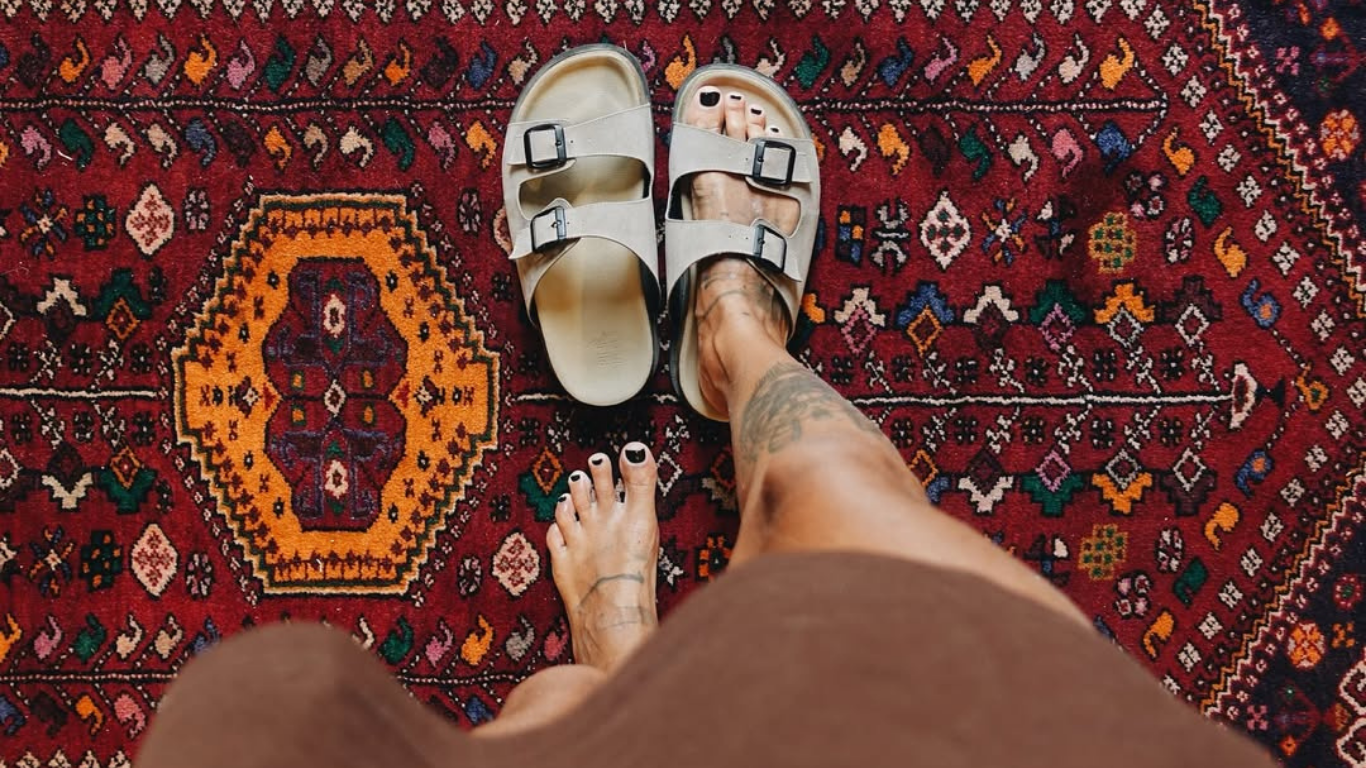
The growth of boutique hotels keeps changing. As we look forward to 2026, boutique hotels are still pushing the limits of creativity and service.
Some of the boutique hotel trend forecasts are:
- Stronger focus on privacy: Properties are changing their layouts to keep guests from being too close to each other. Private terraces, separate entrances, and fewer shared spaces keep the area calm and quiet during the whole stay.
- Integration with local architecture: More and more boutique hotels are being built inside existing buildings or with materials and building methods that are common in the area. Layouts follow the natural shape of the land, which makes them fit in with the rest of the area.
- Heritage and holistic wellness: Combining restored heritage sites with stays that focus on wellness. This includes places to relax, quiet routines, and simple activities like yoga or slow mornings, all in settings that reflect the history and architecture of the area.
- Preference for slower stays: Guests are staying longer and spending more time within the property. The hotel becomes part of the destination.
- Sustainability and community involvement: Properties are adopting practices like buying things locally, making less waste, and helping nearby communities while also preserving traditional crafts and local identity.
These trends show that the rise of boutique hotels is not only about style but also a thoughtful way of changing travel experiences.
The Increase of Zoe Hora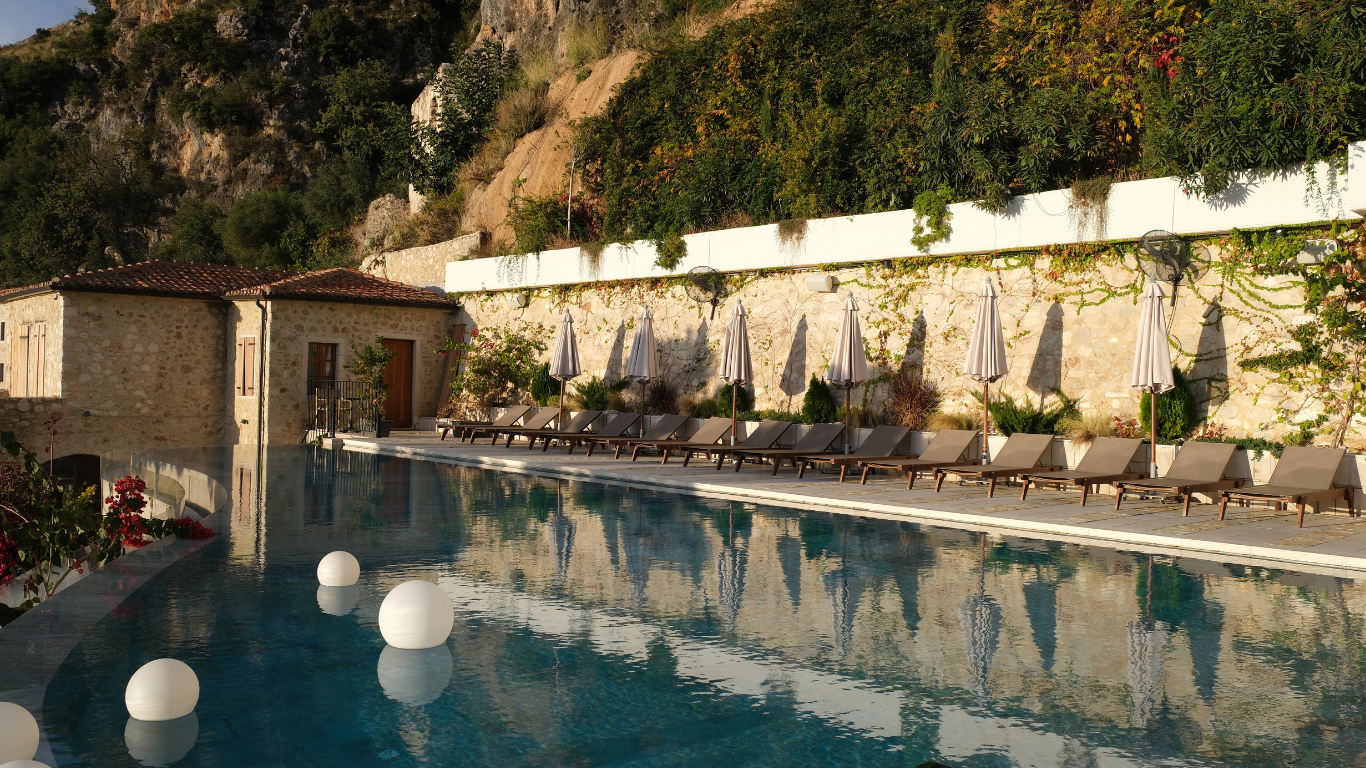
Zoe Hora, positioned up the hill of Dhërmi, follows the same principles that define boutique hotels, with a limited number of rooms and a layout that works within the existing village structure. Besides this, as popular as it has become, Zoe Hora’s main goal is to keep its authenticity and activism to rebuild the village and awaken it once more without losing it to modernism.
The property stays true to its roots, shown by its use of stone, layered levels, and natural location between the mountains and the sea, which shows off the local area instead of standing apart from it. Zoe Hora also meets the standards of a high-end boutique hotel by paying attention to every little detail and keeping the hosting style personal. This mix explains why it is becoming more well-known around the world.
Final Thoughts
The rise of boutique hotels is a clear sign that people are traveling differently. People now choose where to go based on how the place is set up, how it feels to move through it, and how well it fits in with the area around it, not just where it is or what type it is.
Within this context, places like Zoe Hora, in the Albanian Riviera, reflect where the boutique model is heading. If you are looking for a stay that aligns with this shift, you can explore Zoe Hora and book your stay to experience this quieter side of the coast.